
Adding squash courts to real estate developments – from residential amenities to selling points
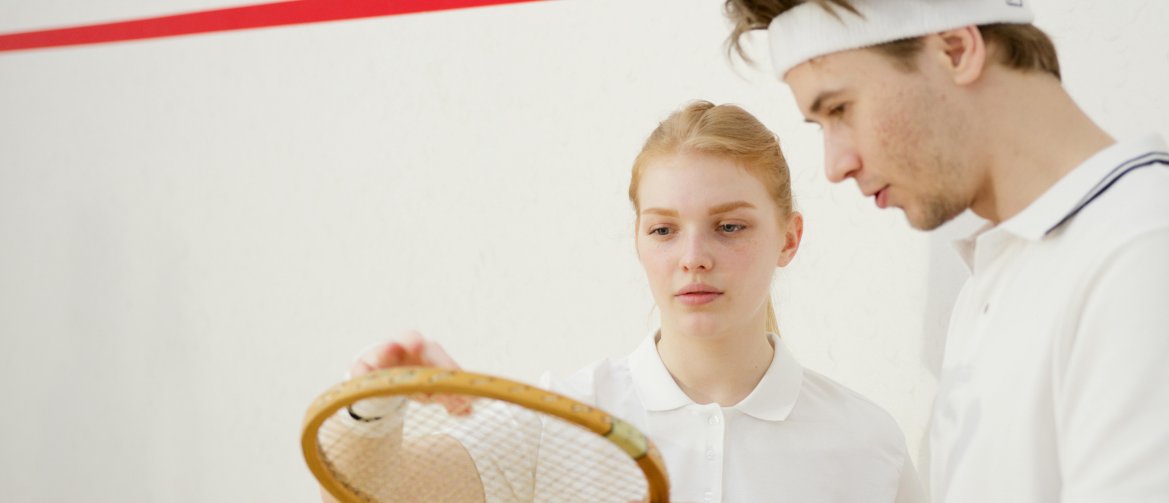
Adding a dedicated indoor court space can transform a housing development from functional to desirable. Integrating squash courts into residential projects offers more than a place to play. It creates a lifestyle proposition: wellness, community, and an edge in marketing. Woven into modern amenities, a well-designed court becomes a visible selling point. In this article I walk you through the why, the how and the what — practical guidance rooted in design, operations and market thinking. Expect actionable tips, realistic cost cues and marketing angles you can apply whether you plan a boutique apartment block or a larger mixed-use complex.
Why add squash courts to residential developments?
Installing squash courts delivers tangible benefits for developers and residents. First, courts signal a higher standard of living. Buyers and renters perceive dedicated sports facilities as a premium feature — especially in urban areas where private space for sport is limited. Second, courts support health and social interaction. Squash is a fast-paced sport that attracts players across age groups and fitness levels. Residents use the space not only for exercise but also for coaching, small events, and friendly competition. Third, courts increase tenant retention. When a building offers unique, well-maintained leisure options, turnover often drops. People prefer staying where they already socialize and train.
From a sales perspective, courts create differentiation. In crowded markets, developers need unique selling points. A pair of well-located courts can be highlighted heavily in listings and during viewings. For investor-grade assets, having in-house facilities can justify slightly higher rents or service charges. Finally, courts can generate secondary revenue: pay-per-play, memberships, coaching fees, tournaments, and partnerships with local clubs or brands. Thoughtful integration turns a capital expense into a long-term asset that supports community, brand and cash flow.
How squash courts influence property value and demand?
Experience from multiple projects shows amenities shape buyer choices. When marketed correctly, squash courts boost perceived value. They support faster sales and often allow a modest price premium versus competing offers without such facilities. In urban neighborhoods with limited outdoor sport options, indoor courts add an irreplaceable amenity. Practical evidence comes from comparable analyses: properties with on-site fitness and racquet facilities often trade faster and hold value better in softer markets.
Demand effects are strongest when courts are part of a broader wellness offering. If the development includes a gym, pool and communal spaces, courts complement that package. For developers, the key is measuring usage and resident feedback. Track bookings, membership uptake and event attendance. These metrics help quantify value and guide future developments. Also consider local demographics: areas with younger professionals, active families or sports-focused communities show the greatest uplift. In short, courts move the needle most when they match local demand and are actively promoted as part of the lifestyle story.
What data should developers collect to prove impact?
Collect booking logs, membership numbers, frequency per resident, event attendance and direct feedback through surveys. Track influence on leasing speed and price variance compared with similar units. That data builds a business case for future projects and supports operational decisions.
Check out the offer of the sports court manufacturer at SQUASHTECH.
Where to place squash courts within a complex?
Location is about access, noise control and convenience. Ideally, courts sit on lower floors or in podiums that accommodate the structure and sound isolation needs. Placing courts close to other wellness areas — gym, showers, locker rooms and a small lounge — increases usability. This cluster approach feels intuitive to residents and simplifies plumbing, ventilation and circulation layouts. Parking proximity matters for visitors and tournament days, but courts should not be placed directly above quiet residential units due to potential sound transfer.
Separate pavilion-style courts at ground level can work well for larger sites. They simplify construction and provide flexible access for non-residents without compromising building security. For tighter urban plots, consider converting unused basement space, but pay special attention to air exchange and ceiling height. Remember, ceiling clearance affects play quality. Finally, sightlines and natural light do not matter as much for squash as for other sports, but a thoughtfully designed entrance and visible signage create an attractive experience and a premium feel to the facility.
How to balance resident access and third-party use?
Use time-blocking and membership tiers. Allocate peak hours for residents and open other slots for public bookings or club training. Implement a robust booking system to prevent conflicts and track revenue.
What technical standards and materials suit modern courts?
Good courts follow established dimensions. A standard singles court measures 9.75m by 6.4m with a front wall height of at least 4.57m. Floor material matters: engineered hardwood with a sprung subfloor reduces injuries and improves ball bounce. Wall surfaces need to be uniform and durable; specialized plasters or glass for back walls are common choices. Glass walls create spectator-friendly setups and increase the perceived value of the space.
Lighting must be even and bright without glare. LED systems tuned to sports lighting standards reduce energy use and maintain consistent visual conditions. Ventilation and HVAC design require careful calculation — squash generates heat and humidity quickly. Acoustic treatment is essential: use resilient mounting and absorbent finishes around the perimeter to limit noise transmission. Finally, safety features — non-slip flooring in circulation areas, adequate exit signage and compliant barriers — are non-negotiable for insurance and regulatory reasons.
Which finishes help longevity and low maintenance?
Choose tough wall plasters or specialist panel systems that resist scuffs and allow easy repainting. For floors, pick sealed hardwood with scheduled refinishing. Select lighting and fittings with long warranties to minimize replacements.
How to manage ventilation and acoustics in courts?
Proper ventilation and humidity control extend equipment life and improve comfort. Squash rooms heat up fast, and high humidity causes slippery conditions and accelerates material wear. Install dedicated HVAC with higher air exchange rates than typical rooms. Fresh air intake, humidity control and rapid exhaust are essential for busy periods. Consider variable-speed fans controlled by CO2 and temperature sensors to optimize energy use.
Acoustic isolation requires both mass and decoupling. Build heavyweight wall assemblies and decouple floating floors to stop impact and airborne noise reaching residential units. Add absorptive panels in corridors and spectating areas. Doors with seals and vestibules reduce sound leakage. Good acoustic design helps avoid complaints and allows courts to operate into late hours when tournaments or coaching sessions occur.
What are quick wins for improving court environment?
Add dehumidifiers for peak-season comfort. Use sensor-driven ventilation to balance air quality with energy costs. Install soft-surface benches and absorbent ceiling panels to tame reflection and echo.
What are approximate costs and budgeting models?
Costs vary by scope and region, but realistic budgeting helps. In many markets, a single high-quality singles court including structure, finish, lighting and HVAC can range widely depending on choices. Expect higher costs when adding glass walls, sprung hardwood floors and advanced HVAC/acoustics. Additional costs include locker rooms, reception, equipment, and IT for bookings. For a modest in-building court, set aside a contingency for unforeseen structural work, especially in retrofits.
When budgeting, separate capital costs from operating costs. Capital covers construction and initial equipment. Operating budgets must include cleaning, maintenance (floor sanding/refinishing), HVAC energy, replacement lighting and management staff or contractor fees. Revenue scenarios help offset operating costs: resident access fees, limited external bookings, coaching revenue and event days. A simple spreadsheet projecting utilization levels (low, medium, high) clarifies payback timelines and informs decisions on offering free resident access versus paid models.
How to forecast ROI realistically?
Model three scenarios: conservative (low utilization), expected (steady resident use plus some external bookings), optimistic (high membership and event income). Include maintenance cycles like floor refurbishment every 5–8 years to keep numbers realistic.
How to operate and monetize courts after handover?
You can manage courts directly or partner with an operator. In-house management gives control but requires operational expertise. A third-party operator brings routines, coaching networks and marketing muscle, often in exchange for revenue share. Monetization options include resident-inclusive access, paid bookings, memberships, private coaching, corporate hire and tournament fees. Each model affects resident perception. Free resident access raises satisfaction but shifts operational costs to the owner. Paid access generates revenue but must be priced sensibly to avoid underuse.
Events and partnerships add value. Host local tournaments, junior clinics and corporate team-building sessions. Partner with local clubs to bring members and coaches. Use dynamic pricing for peak hours and offer discounts for off-peak to increase utilization. Finally, implement a clear booking system and access control to minimize disputes. Digital systems that integrate payments and resident ID simplify operations and offer data for optimization.
What staffing levels make sense initially?
Start lean: a part-time manager or shared concierge role plus outsourced cleaning and periodic technical service. Scale staffing as utilization grows.
How to market the development using squash courts?
Position courts as part of a lifestyle narrative. Use high-quality photos and short videos showing play, training and social moments. Highlight benefits: fitness, community, coaching opportunities and events. Target promotions to audiences likely to value courts: young professionals, families with sporty members, university faculty and corporate partners. Leverage local clubs to drive awareness and offer introductory sessions for prospects.
On-site events help sell units. Organize open days with mini-tournaments or taster sessions during viewings. Testimonials from residents and coaches are powerful. Digital campaigns should feature the courts in property listings, social channels and targeted ads. For investor pitches, include utilization forecasts and revenue scenarios to demonstrate the amenity’s contribution to asset value. Lastly, tracking metrics — bookings, membership conversion rates and engagement — helps refine offers and proves the amenity’s worth to buyers and tenants.
Which promotional channels work best?
Local sports clubs, social media targeted by interest, property portals and community events. Use resident ambassadors to amplify word of mouth.
Frequently asked questions - FAQ
What size does a standard singles court require?
A standard singles court is about 9.75m long and 6.4m wide with a minimum front wall height around 4.57m. Allow circulation space outside the court for safety and spectator flow.
Can courts be used by non-residents without security issues?
Yes, with careful planning. Use separate entrances or controlled access and schedule public bookings outside peak resident hours. Clear policies and billing systems prevent friction.
How often does a court floor need maintenance?
Hardwood courts usually need light annual maintenance and sanding/refinishing every 5–8 years depending on use. Regular cleaning extends lifespan.
Are courts energy intensive?
They can be, mainly due to ventilation demands and HVAC. Energy-efficient systems and sensor controls reduce running costs.
Is hiring an operator better than self-management?
It depends. Operators bring expertise and immediate marketing reach. Owners retain control and potentially more revenue if self-managing and competent. A hybrid model often works: operator runs classes and bookings while the owner handles building integration.
Summary
Adding squash courts to a residential project offers more than a sporty feature. It strengthens market position, builds community and can contribute to revenues. Success requires matching design and location to local demand, committing to decent technical standards — especially HVAC and acoustics — and running courts with clear access and monetization plans. Track utilization and feedback to refine operations. With thoughtful planning, these courts become lively hubs that enhance resident life and make your development stand out.
Zobacz
Developer market trends - what you need to know...
In recent years the developer houses market has gained in the eyes of Poles. More and more...

The most profitable fields of study
Although graduation does not guarantee finding a well-paid job, diplomas from some fields of...

Choose a philology if you want practical skills
According to some people, studying philology makes sense only in one case - when someone wants...


